Best Boxing Combos for MMA (And How to Throw Them)
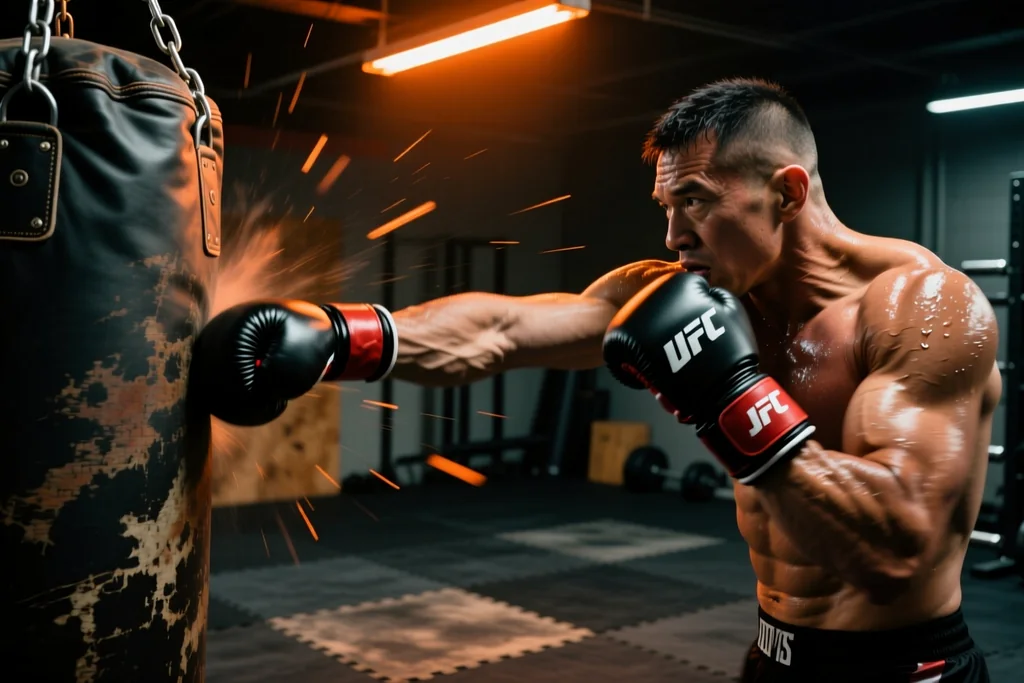
Ask most newcomers which part of MMA matters most and they will say wrestling. Ask a fighter who has just been outclassed on the feet, and the answer changes: hands still end fights, and the best boxing combos for MMA are built from a short list of punches thrown at the right distance.
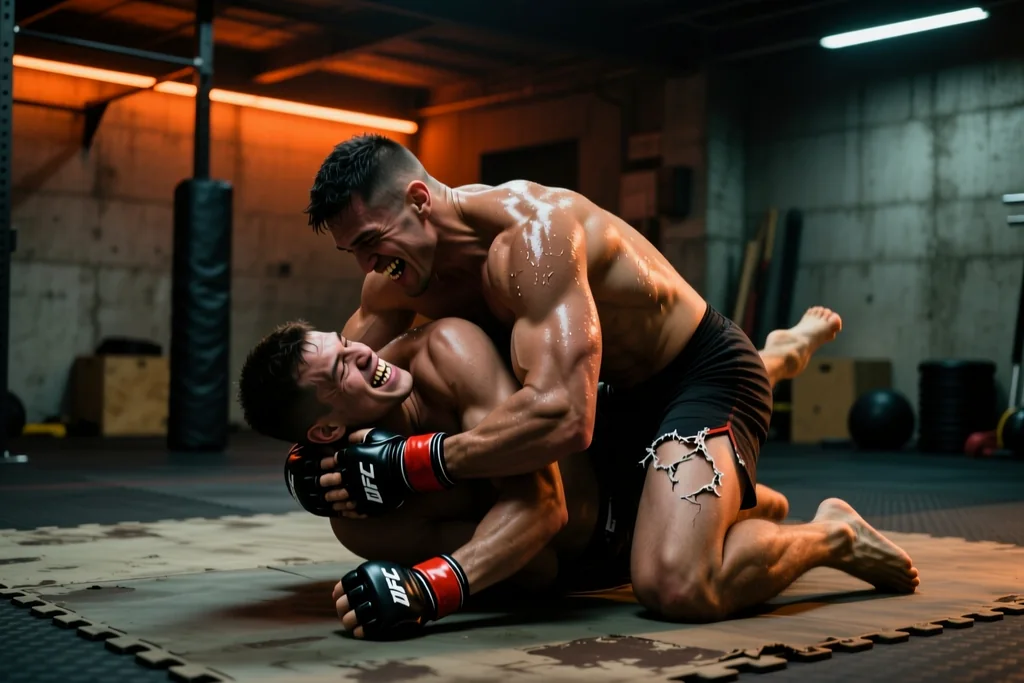
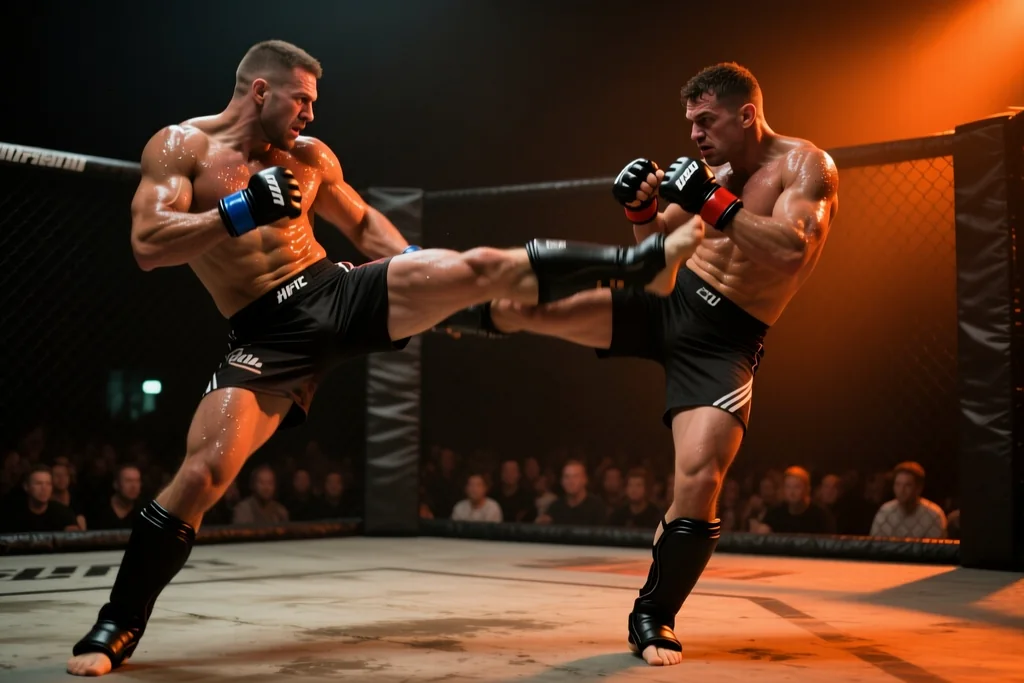
Boxing inside the cage is not the same sport that happens in a ring. Smaller gloves, kicks, a fence and constant takedown danger all rewrite the rules of timing, and the fighter who understands that is the one landing clean while staying upright.
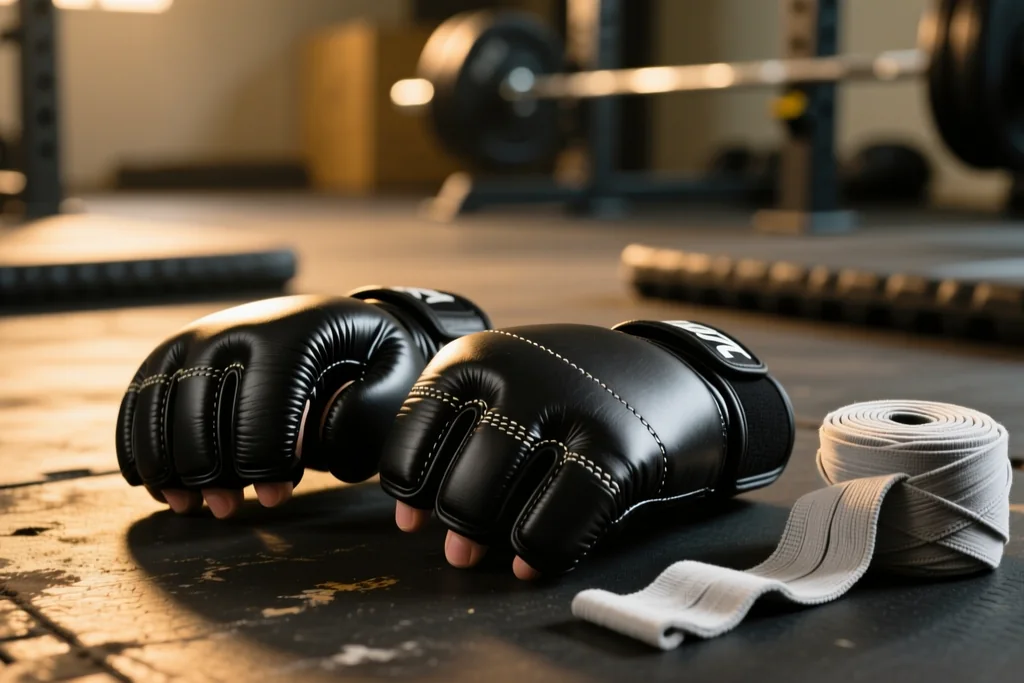
Why boxing looks different inside the cage
In a ring you can hide behind a high guard and trade, because nobody is going to change levels and put you on your back. In the cage every long series is an invitation, and every step forward is a chance to be dragged to the mat.
The gloves are smaller too, which cuts both ways. Cuts and knockouts come easier, but a tight guard is harder to hold, so defense shifts from blocking to moving, slipping and getting off the line.
What survives the transition is timing and distance. A jab that controls range still wins rounds in MMA, and a short combination thrown from a stable base is still the most reliable way to hurt somebody.
Stance first, or nothing lands
Every combination you throw is only as good as the stance underneath it. The classic boxing stance works right up until your opponent kicks your lead leg or changes levels, and both of those demand a base that can move backwards without falling apart.
That is why so many fighters use a squarer fighter stance with the feet closer together. It trades some rotational power for the ability to sprawl, check a kick and circle away without ever crossing the feet.
The trade-off is real. Widen up and your punches carry more weight; square up and you defend takedowns better. Decide which one you need more in a given fight, because switching randomly mid-round gets you hit.
The combinations that carry their weight
You do not need twenty combinations. You need four or five you can throw from a bad position, on tired legs, without thinking about them. The short list below is what most gyms build their boxing rounds around.
| Combination | What it does | Best moment to use it |
|---|---|---|
| Jab–cross | Measures distance, lands the first real power | While he is still reading your hands |
| Jab–cross–hook | Attacks the head on two different lines | After the jab has already landed a few times |
| Double jab–rear uppercut | Chases a retreating guard and cuts under it | Against a fighter who backs straight up |
| Cross–hook–cross | Punishes a wide guard with almost no setup | When you are already inside boxing range |
| Jab–hook (1–2–3) | Steals the angle and keeps you off the center line | On the counter, as he steps in on you |
Notice how few of those combinations run longer than three punches. In a ring a five-punch series can be a masterpiece; in a cage the fourth punch is usually thrown from a stance that cannot sprawl anymore.
The jab is still the engine of all of it. It measures, it blinds, it occupies his lead hand, and it is the cheapest way to make him react before you commit to anything heavier.
Short series beat highlight reels
The best boxing combos for MMA are the ones you can abandon halfway. If your opponent ducks into a takedown on the second punch, you need to stop, frame and reset instead of chasing the finish of a script.
That is why the body matters so much. A cross to the midsection or a hook behind the elbow pulls his hands down and slows his breathing, and only then does the head open up cleanly. Setup before power, always.
- Throw two or three punches, then reset your feet.
- Keep the rear hand at home while the lead hand works.
- Exit at an angle, never straight back with your chin in the air.
- Rehearse the same combination with a takedown threat attached.
Working the fence and getting out
The fence changes footwork more than any single technique. On the open floor you can circle freely, but against the wall your angles disappear and one wrong step puts your back on the links.
The fix is to cut the corner rather than chase. Short, tight steps toward his lead side take away his favorite escape, and pivoting off the fence puts you back in the middle where your boxing actually functions.
Leaving the pocket is a skill too. Finish the combination, then move on a straight line off his shoulder while he is still looking for a counter, and reset with your stance intact.
Drilling what survives a fight
The best boxing combos for MMA are learned on pads, but they are proven in rounds where somebody is trying to take you down. Start with three-minute boxing rounds and no takedowns, then add the threat and watch how fast your series shorten.
One simple drill beats any theory: throw your combination, expect the shot, and either sprawl or reset your feet. Repeat it until your balance stops waiting for permission and simply reacts.
Nobody wins a fight by knowing the best combination on paper. They win because they threw the second punch of it from a stance that could still defend, and that is a habit you build long before anyone is watching.