Inside the MMA Experience Day: From First Jab to Cage Walk-Out
Imagine spending a day training like a professional mixed martial artist — the pads, the cage, the coaching, the adrenaline — without a single bruise to show for it. That is the promise of the MMA experience day, a format that has turned fight gyms from intimidating closed clubs into places anyone can walk into for a single, unforgettable day.
The idea is simple: a full day of coached MMA training designed from the ground up for complete beginners. No experience required, no fitness test at the door, and a finale that no ordinary gym class can offer — your own walk-out, entering the cage to music and cheering crowds, just like the professionals do on fight night.
How the day is built
A typical experience day runs from around 9:30 in the morning to 5 in the afternoon. That sounds long, but the schedule is broken into four distinct sessions, each with its own focus and a proper break in between. Much of the day moves slowly and deliberately through technical material, so you do not need to be super fit to get through it.
Coaches rotate the group through the three pillars of mixed martial arts — striking, grappling and the transitions between them — always at a pace set for people who have never thrown a punch in their lives.
| Session | Focus | What you actually do |
|---|---|---|
| Morning 1 | Movement and striking | Stance, footwork, jab, cross, basic combinations on pads |
| Morning 2 | Kicks and defence | Low kicks, checking, slipping, simple counters |
| Afternoon 1 | Wrestling and clinch | Pummelling, level changes, takedown entries onto mats |
| Afternoon 2 | Submissions and the walk-out | Positional control, a first choke or armbar, then the cage entrance |
What you will actually learn
The curriculum covers the fundamental techniques and concepts of MMA rather than flashy highlight moves. Expect to leave with a working understanding of:
- How to stand, move and keep your balance in a fight stance
- Punching mechanics — the jab, the cross and the hook thrown from the hips
- Basic kicking technique and how to defend against strikes
- Clinch positions, pummelling for underhooks and simple takedowns
- Positional control on the ground and one or two high-percentage submissions
Nobody expects perfection by 5pm. The goal is that you finish the day genuinely understanding the core concepts of the sport — why fighters move the way they move, why position beats strength, and how the pieces of MMA fit together.
The walk-out finale
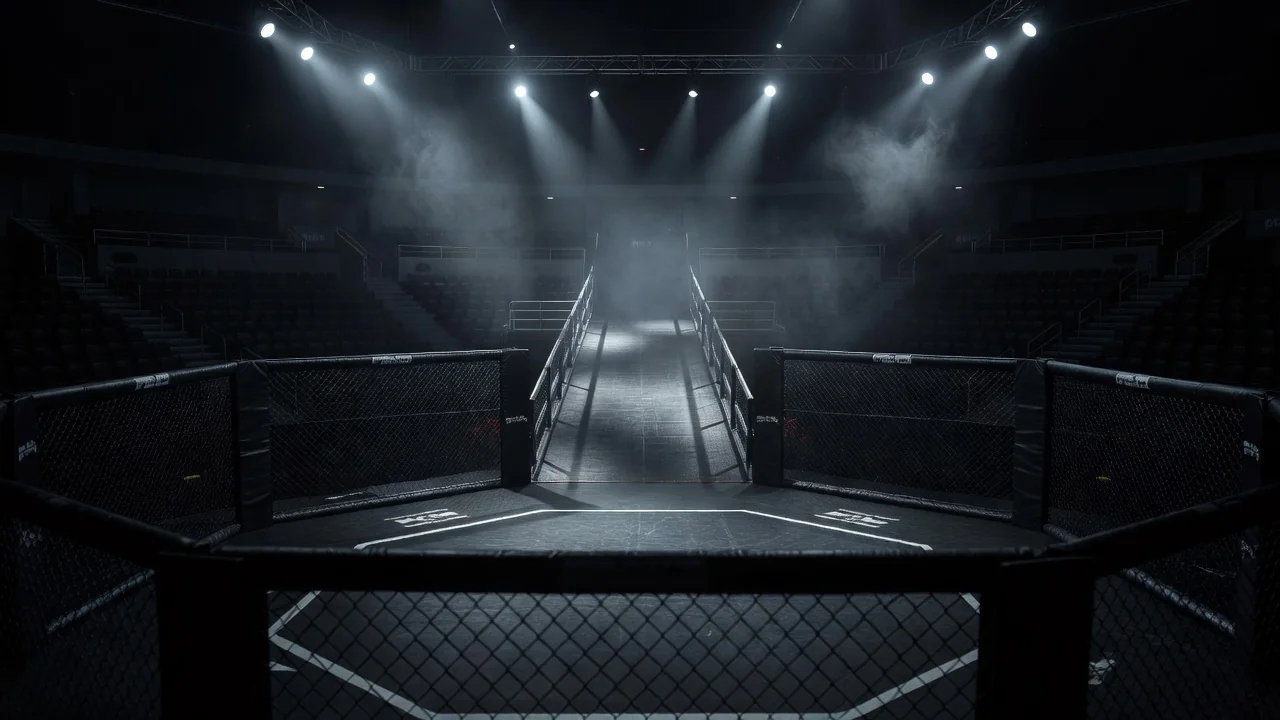
Every experience day ends with the moment people talk about for months afterwards. One by one, participants make their own walk-out: the lights drop, the music starts, and you make the walk to the cage while the rest of the group cheers you in. It is theatre, but it is also a surprisingly emotional payoff for a day of hard, unfamiliar work.
Most formats also include a certificate of completion and, crucially, a money-back guarantee: if you finish the morning sessions and decide the course is not for you, you can walk away with a full refund, no questions asked. It is a telling detail — the organisers know that almost nobody ever takes them up on it.
Who the day is for
The honest answer is: almost anyone. Experience days draw an unusually mixed crowd — office workers looking for a story, couples trying something new, lapsed athletes testing the water, and people who have watched MMA for years but never dared to train. Coaches who run these days are specialists at getting nervous beginners through safely.
Everything you need is provided at the gym: gloves, pads, mats and insurance are all covered in the price. You turn up in comfortable training clothes with a water bottle, and the day takes care of the rest.
Where the format comes from
The one-day MMA experience was pioneered in the UK — one of the best-known early versions ran at TRIBE One Gym in Feltham, near Heathrow, with coaching from PRO MAI, a martial arts organisation with more than three decades of teaching behind it. That course was vetted to run on Airbnb Experiences, which carried the format to an international audience.
Since then the model has spread: fight gyms across Britain and beyond now run their own experience days, open mats and beginner taster courses. The formula barely changes, because it works — a safe environment, real skills, and a day that leaves a lasting impression long after the muscle soreness fades.