Is MMA Safe for Complete Beginners? An Honest Answer
It is the first question every beginner asks, usually in a lowered voice: is this actually safe? The honest answer is more interesting than a simple yes. Training MMA as a beginner at a well-run gym is statistically safer than most weekend sports — but "well-run" is doing all the work in that sentence, and knowing the difference matters.
What the risk picture really looks like
Cage fighting on television and beginner MMA training are different activities that happen to share techniques. In a supervised beginner class, injury rates compare favourably with football, rugby and recreational running — sports nobody thinks twice about. The most common beginner complaints are not injuries at all: sore shoulders, bruised shins and wounded pride.
Serious injuries in training are rare and cluster around two causes: ego and poor supervision. Both are within a gym's control — which is why choosing the gym matters more than any other safety decision you will make.
How good gyms keep beginners safe
| Safeguard | What it means in practice |
|---|---|
| Structured beginner classes | Technique at walking pace, no surprises, no sparring |
| Qualified coaching | Coaches from established martial arts organisations |
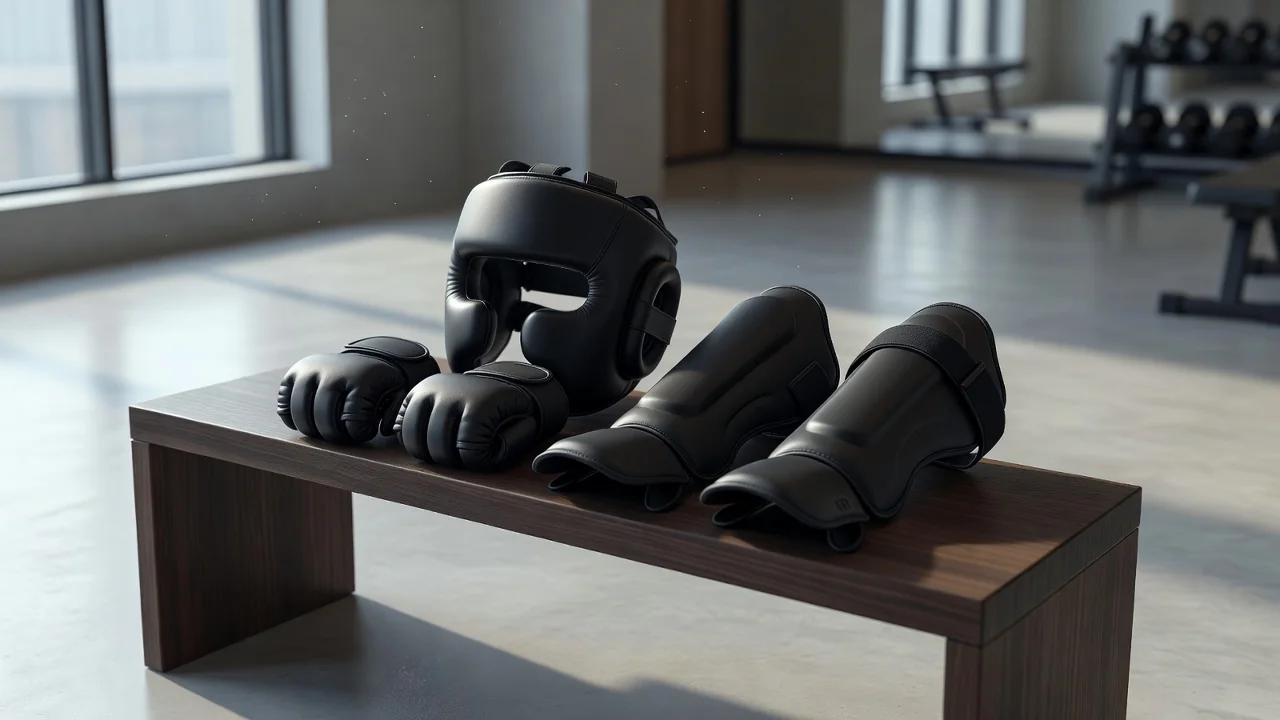
| Protective equipment | Gloves, shin guards, mouthguards, thick mats everywhere |
| The tap | Absolute culture of tapping early and respecting it instantly |
| Insurance and waivers | Proper cover included in course fees |
The single most important safety technology in MMA is not equipment — it is the tap. In grappling, a tap ends everything immediately, and beginners are taught to tap early and often, with zero shame attached. A gym where tapping is respected instantly is a safe gym; a gym where it is mocked is not. You can learn this in one visit.
The red flags to walk away from
- Beginners asked to spar in their first sessions
- No separation between beginner and advanced groups
- Coaches who cannot name their organisation or lineage
- "Toughening up" culture — pain treated as a curriculum
- Worn mats, no first-aid kit, no visible insurance
The guarantees worth looking for
Confidence in safety shows up in a gym's policies. The best beginner programmes back themselves: money-back guarantees if you decide the course is not for you, all equipment provided so nothing is improvised, and coaches who introduce themselves before the warm-up starts. A gym that expects nervous beginners — and is organised around them — has usually earned the trust it asks for.
Your part of the deal
Safety is shared. Tell the coach about old injuries before class, not after. Leave your ego in the changing room — the beginner who tries to "win" drills is the beginner who gets hurt. Tap early, ask questions, and take rest days seriously.
Do that, choose a gym with the safeguards above, and the answer to the opening question becomes simple: yes — safer than your Sunday five-a-side, and considerably more interesting.